


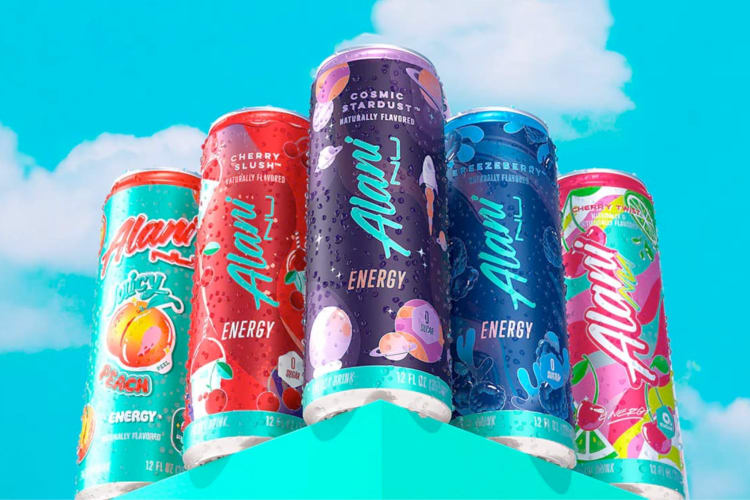
Energy drinks have become extremely popular, especially among teenagers and young adults. You can find them in grocery stores, gas stations, and vending machines in many different flavors and bright-colored cans. Companies advertise energy drinks as a quick way to feel more awake, focused, and ready to take on the day. While they may seem helpful, it is important to understand both the benefits and the risks of drinking them.
One of the main reasons people choose energy drinks is for the boost of energy they provide. Most energy drinks contain caffeine, a stimulant that affects the brain and nervous system. Caffeine can help people feel more alert and less tired for a short period of time. Some students drink energy drinks before school, sports practice, or big tests because they believe it will help them concentrate better. Many energy drinks also contain ingredients like B vitamins, taurine, and guarana, which are often advertised as supporting energy production. In small amounts, caffeine can improve focus and reaction time, which is why some people find energy drinks useful in certain situations.
However, there are also important downsides to consider, especially for teens. Many energy drinks contain very high amounts of caffeine, sometimes much more than a cup of coffee. Too much caffeine can cause negative side effects such as a racing heart, headaches, shaking, nervousness, and trouble sleeping. For teenagers, getting enough sleep is very important for growth, learning, and mental health. Drinking energy drinks late in the day can make it harder to fall asleep at night, leading to tiredness the next day. This can create a cycle where someone feels they need even more caffeine to stay awake.
Another concern is the amount of sugar in many energy drinks. Some brands contain large amounts of added sugar, which can lead to energy crashes after the initial boost wears off. Drinking too many sugary beverages can also increase the risk of weight gain and dental problems. Even sugar-free versions can still contain high levels of caffeine and artificial ingredients.
Health experts generally recommend that teens limit their caffeine intake. Instead of relying on energy drinks, healthier ways to boost energy include getting enough sleep, drinking water, eating balanced meals, and staying physically active. Simple habits like eating breakfast, taking short breaks during homework, and going to bed at a consistent time can naturally improve energy levels without the risks that come from high-caffeine drinks.
In conclusion, energy drinks may provide a quick burst of alertness, but they also come with significant risks, especially for young people. While they might seem like an easy solution for feeling tired, developing healthy daily habits is a safer and more effective way to maintain steady energy throughout the day.